Recycling and Sustainability for Gardeners Whitechapel
 Gardeners Whitechapel supports greener outdoor spaces through a practical approach to waste reduction, material recovery, and low-impact working methods. From planting projects to larger maintenance work, the aim is to handle green waste, packaging, and reusable materials responsibly while keeping the service efficient for homes, estates, and commercial gardens. In an area where mixed development, shared courtyards, and compact properties shape how outdoor work is carried out, sustainable gardening matters just as much as the final look of a border or lawn. Our recycling and sustainability approach is built around separating materials properly, sending recoverable items to the right facilities, and making sure less useful waste ends up in landfill.
One of the main commitments is a recycling percentage target designed to keep the majority of collected waste out of disposal streams. We aim for at least 85% recycling and recovery across suitable garden and site materials, including organic cuttings, soil, wood, cardboard, metal fixtures, and select plastics where separation is possible. In practice, this means careful sorting on site and at collection points, plus a clear focus on reuse before recycling. Gardeners in Whitechapel often work within borough systems that encourage separation of green waste from general rubbish, and our methods follow that same principle by keeping recyclable material cleaner and easier to process.
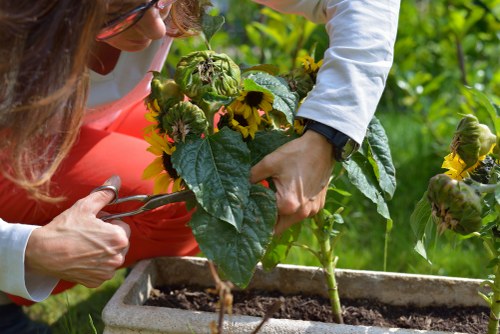 The local landscape also shapes how waste is managed. In and around Whitechapel, projects may generate hedge trimmings, leaves, branches, old compost bags, broken planters, and stripped timber from raised beds or sleeper edging. These materials are sorted according to type so that organic matter can be directed toward composting or biomass recovery, while inert or mixed items are assessed for recycling at approved facilities. The result is a more resource-conscious process that aligns with broader borough approaches to waste separation and local environmental priorities.
Local Transfer Stations and Material Handling
We use local transfer stations to move sorted waste into the correct recycling streams efficiently. These stations act as an important link between garden clearances and final recovery facilities, helping reduce unnecessary transport and supporting better material separation. Using nearby transfer points also keeps journeys shorter, which is helpful in a dense urban area where traffic can affect emissions and logistics. For Gardeners Whitechapel, this means green waste, clean soil, and recyclable site materials are handled in a way that supports both speed and sustainability.
At these facilities, different waste categories can be weighed, sorted, and directed appropriately. Organic garden matter may go for composting or soil improvement uses, while recyclable hardware and packaging can be sent into specialist recovery channels. This process is particularly useful for projects involving mixed waste from maintenance, planting, fencing repairs, and small landscaping tasks. By avoiding one-size-fits-all disposal, our Whitechapel gardeners can reduce the environmental cost of every visit and improve the quality of recyclable outputs.
 Another key part of the sustainability framework is the use of clear waste separation on site. Many boroughs across east London encourage residents and businesses to keep food waste, dry recyclables, and residual rubbish apart; Gardeners Whitechapel reflects that same principle by keeping garden waste separate from non-organic debris wherever possible. Clean segregation helps improve the recycling rate and reduces contamination, which is vital when trying to preserve the value of recyclable materials.
Partnerships with Charities and Reuse-Focused Work
Where suitable, we support partnerships with charities and reuse organisations so that usable items can be passed on rather than discarded. Garden furniture, terracotta pots, tools in workable condition, timber offcuts, and decorative items may all have a second life through charitable channels if they meet safety and condition standards. This approach benefits the local community by extending the life of materials and reducing the need for new production. It also fits a more circular model of gardening, where value is kept in circulation for longer.
Practical reuse in everyday garden projects
Many jobs in Whitechapel produce items that are too good to throw away but no longer needed on site. Rather than treating those items as waste, Gardeners Whitechapel looks for opportunities to separate, store, and route them toward reuse. That can include moving plant containers to donation streams, salvaging untreated wood for upcycling, or diverting surplus decorative gravel where appropriate. This is not only environmentally sensible; it also helps local green projects and community groups access materials that may otherwise be lost to landfill.
Charitable collaboration works best when materials are clean, safe, and easy to sort, so the recycling process includes an early check on condition and suitability. Items that cannot be reused are still handled carefully through recycling channels, ensuring the full service remains focused on sustainability. In this way, Gardeners Whitechapel supports both the practical demands of landscaping and the wider community benefit of responsible material management.
We also recognise that urban outdoor spaces often require frequent refreshes rather than full replacements. By repairing where possible, reusing where suitable, and recycling where necessary, the service reduces overall waste generation. This balanced approach is especially relevant in boroughs that prioritise waste separation and cleaner streets, as it keeps garden work aligned with local environmental expectations.
Low-Carbon Vans and Cleaner Transport
 Transport plays a major role in the environmental footprint of any gardening service, which is why our fleet includes low-carbon vans designed to reduce emissions on local journeys. These vehicles help cut fuel use while still providing the capacity needed for tools, compost, waste sacks, and plant materials. In an area like Whitechapel, where routes can be short but frequent, choosing lower-emission vans makes a meaningful difference over time.
The benefits extend beyond fuel efficiency. Low-carbon vehicles support quieter, cleaner operations in residential streets, shared developments, and busy urban corridors. They also complement the recycling system by making more efficient trips to transfer stations and recovery sites. When combined with careful scheduling, this reduces unnecessary mileage and supports a lower-impact service overall. For customers looking for eco-friendly gardeners in Whitechapel, transport choice is a visible part of our sustainability promise.
Fleet planning is matched by sensible loading and route organisation. Keeping journeys compact, grouping nearby jobs, and avoiding repeated trips all help lower emissions further. Together with better waste sorting and reuse practices, these transport measures create a comprehensive sustainability model rather than a single isolated initiative.
A Greener Standard for Garden Maintenance
 Gardeners Whitechapel aims to make every stage of the job more responsible, from the moment waste is collected to the point it reaches a transfer station, charity partner, or recycling processor. With a target of 85% recycling and recovery, local material sorting, reuse opportunities, and low-carbon vans, the service is structured to reduce environmental impact without compromising quality. It is a practical response to the realities of urban gardening, where compact spaces, mixed waste types, and borough-led separation practices all influence how work is completed.
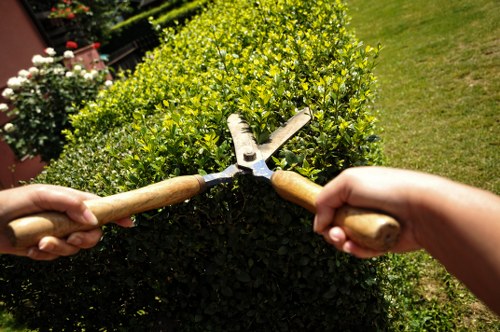
Whether the task involves seasonal clearance, planting, hedge cutting, or general upkeep, the sustainability approach remains the same: reduce, reuse, recycle wherever possible. That means greener methods for Whitechapel gardens, stronger support for local waste systems, and a cleaner way to maintain outdoor spaces across the area. As expectations around environmental responsibility continue to grow, this model offers a clear and forward-looking standard for recycling-focused garden services in the local community.