Landscape Gardening in Whitechapel: Creating Beautiful, Practical Outdoor Spaces
Why Landscape Gardening in Whitechapel Matters

Landscape gardening in Whitechapel is more than just planting flowers and laying turf. It is about transforming limited urban outdoor spaces into attractive, functional, and inviting environments that reflect the character of the area. In a busy part of East London, where homes, businesses, and communal areas often have compact gardens, rooftops, courtyards, and side returns, thoughtful landscape gardening can make an enormous difference.
With the right approach, landscape gardening in Whitechapel can improve curb appeal, create a peaceful retreat from city life, and increase the long-term value of a property. Whether the goal is a family-friendly backyard, a low-maintenance courtyard, or a stylish contemporary design, the right planting scheme and layout can bring lasting benefits.
Good landscape gardening blends creativity, practicality, and local knowledge. Whitechapel has its own microclimate, urban soil conditions, and space limitations, so choosing the right materials and plants is essential. A smart design does not just look attractive on day one; it should remain resilient and easy to enjoy throughout the seasons.
Understanding the Character of Whitechapel Gardens
Urban Conditions and Design Challenges

Whitechapel is a vibrant and densely built area, which means outdoor spaces are often small, shaded, or enclosed by surrounding buildings. These conditions influence how landscape gardening in Whitechapel should be planned. Sunlight may be limited, drainage can be uneven, and there may be a need to balance privacy with openness. A well-designed garden in this setting must adapt to the space rather than fight against it.
Many properties in Whitechapel benefit from landscape solutions that maximize every inch. Vertical planting, raised beds, built-in seating, and compact paving layouts are all popular choices because they make smaller spaces feel more usable. Careful material selection also matters, especially in a city environment where durability, low maintenance, and weather resistance are important.
Urban gardens can also be affected by pollution, compaction, and heat retention from surrounding buildings. That is why landscape gardening in Whitechapel often requires a tailored approach that supports plant health while still producing a polished and modern finish. Native and hardy species, smart irrigation, and protective soil preparation can help ensure long-term success.
Planning a Successful Landscape Gardening Project
Starting with Purpose and Layout
Every successful landscape gardening project in Whitechapel begins with a clear plan. Before choosing plants or decorative features, it helps to define the purpose of the outdoor area. Is it for entertaining guests, relaxing after work, growing herbs and vegetables, or providing a safe place for children to play? Once the function is clear, the design can be shaped around those goals.
Layout is especially important in compact spaces. A well-organized garden can feel significantly larger than it is when zones are created for dining, planting, storage, and movement. Pathways, edges, and seating areas should all be positioned with flow in mind. In landscape gardening Whitechapel projects, simple and balanced layouts often work best because they avoid visual clutter and make the space feel calm.
It is also useful to consider how the garden will be used throughout the year. A good design includes features that remain attractive in winter, spring, summer, and autumn. Evergreen planting, hard landscaping, and layered textures can keep the garden interesting even when flowers are not in bloom. Planning for all seasons is one of the most effective ways to create a truly lasting outdoor space.
Popular Features in Whitechapel Landscape Gardening
Hard Landscaping and Soft Landscaping

Landscape gardening in Whitechapel often combines hard landscaping and soft landscaping to create a balanced result. Hard landscaping refers to the structural elements of a garden, such as patios, decking, paths, fencing, retaining walls, and pergolas. Soft landscaping includes plants, lawns, shrubs, trees, and ground cover. Together, these elements shape the style and usability of the space.
Patios are especially popular in Whitechapel because they provide a practical surface for outdoor seating and socializing. Materials such as natural stone, porcelain, concrete slabs, and brick can be selected to suit modern or traditional properties. Decking is another attractive option, particularly for rooftop or raised garden areas, where a clean and contemporary appearance is desired.
Raised beds, planters, and border structures are also common in local landscape gardening projects. They help define zones, introduce height variation, and make planting easier in areas where soil quality may be poor. When designed well, these features add both beauty and function, which is why they remain a favorite choice for many Whitechapel homeowners and landlords.
Useful features to consider
- Low-maintenance paving for easy cleaning and durability
- Vertical gardens for limited spaces
- Built-in seating for efficient use of space
- Lighting for safety and evening enjoyment
- Fencing and screening for privacy
Plant Selection for Landscape Gardening in Whitechapel
Choosing the Right Plants for an Urban Setting
Plant selection plays a major role in the success of landscape gardening in Whitechapel. Because the area is urban and often space-constrained, it is important to choose species that are attractive, resilient, and suited to local conditions. Plants should be able to handle variable sunlight, reflected heat, and occasional wind exposure while still adding texture and color.
Evergreen shrubs are useful because they provide structure all year round. Ornamental grasses can introduce movement and softness, while seasonal flowering plants bring bursts of color. If the space allows, small trees can create a sense of height and privacy without overwhelming the garden. In many Whitechapel landscapes, layered planting gives the best visual effect because it adds depth to a compact area.
Herbs, edible plants, and pollinator-friendly flowers are also increasingly popular. They support biodiversity and can make a garden feel more interactive and rewarding. A well-chosen planting scheme should not only look appealing but also suit the lifestyle of the people who will use the space. Practicality and beauty should always work together in quality landscape gardening.
Examples of suitable planting types
- Lavender, salvia, and rosemary for fragrance and resilience
- Fern varieties and shade-tolerant plants for darker areas
- Box alternatives and evergreen hedging for structure
- Ornamental grasses for movement and texture
- Climbers such as jasmine or clematis for walls and fences
Designing for Small Gardens and Courtyards
Making Limited Space Feel Larger

One of the most common requests in landscape gardening Whitechapel projects is to make a small space feel bigger. This can be achieved through careful planning, light-colored materials, and clever visual tricks. Mirrors, diagonal paving, narrow borders, and multi-level planting can all help create the impression of more room.
In a small garden, every element must earn its place. Instead of overcrowding the space, it is better to choose a few strong design features and repeat them in a coordinated way. For example, matching planters, consistent paving, and a restrained planting palette can make the garden look elegant and intentional. The result is a space that feels stylish rather than cramped.
Storage should also be considered early in the design process. Tools, cushions, and garden accessories need somewhere to go, especially in compact urban homes. Built-in storage benches, discreet cabinets, or integrated garden boxes can help keep everything tidy. When landscape gardening in Whitechapel is done well, even the smallest courtyard can become a highly usable and enjoyable outdoor escape.
Sustainable Landscape Gardening in Whitechapel
Eco-Friendly Choices for Modern Gardens
Sustainability is becoming a central part of landscape gardening in Whitechapel. Homeowners and property managers increasingly want gardens that look good while using resources responsibly. This may include selecting drought-tolerant plants, improving soil health, installing water-efficient irrigation, and choosing recycled or locally sourced materials where possible.
Rainwater harvesting and permeable paving are two smart ways to reduce environmental impact. Permeable surfaces allow water to drain naturally, which helps prevent pooling and supports better water management in urban spaces. Composting and mulching can also improve soil quality while reducing waste. These simple practices create gardens that are not only attractive but also more resilient over time.
Wildlife-friendly planting can further enhance a garden’s value. Bees, butterflies, and birds benefit from nectar-rich flowers, berry-producing shrubs, and sheltered planting pockets. In a densely built area like Whitechapel, even a modest garden can contribute to urban biodiversity. Landscape gardening that supports the environment adds meaning as well as beauty.
Maintenance Tips for Long-Lasting Results
Keeping Gardens Healthy and Attractive
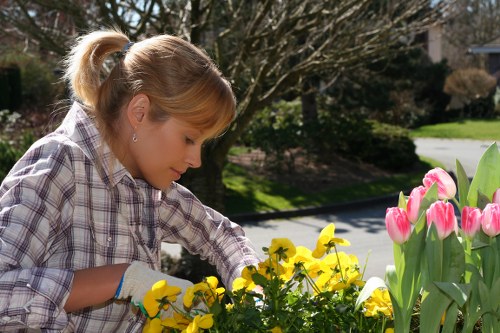
Good maintenance is essential for keeping landscape gardening in Whitechapel looking its best. Even the most beautifully designed garden will lose its appeal if it is not cared for properly. Fortunately, a well-planned landscape can be made much easier to maintain by choosing durable materials, hardy plants, and sensible layouts.
Regular tasks may include pruning, weeding, feeding, watering, sweeping paving, checking drainage, and refreshing mulch. In smaller gardens, maintenance is often more manageable, but it still requires consistency. A seasonal schedule can help ensure that planting remains healthy and that hard landscaping stays neat and safe.
It is also wise to monitor how the garden performs over time. Some plants may need more shade or more light than expected, while certain areas may benefit from updated edging or improved soil. Adaptability is one of the keys to successful landscape gardening because gardens are living spaces that continue to evolve.
Simple maintenance priorities
- Inspect plants weekly for signs of stress or disease
- Remove weeds before they spread
- Wash patios and paths to prevent slipping and staining
- Trim hedges and climbers to maintain shape
- Refresh planting displays seasonally
Landscape Gardening for Front Gardens and Communal Spaces
Improving First Impressions and Shared Areas
Landscape gardening in Whitechapel is not limited to private back gardens. Front gardens and communal outdoor spaces also benefit from thoughtful design. A tidy and well-planned front garden can dramatically improve the appearance of a property, while shared spaces in apartment blocks or housing developments can become more welcoming and usable with the right improvements.
For front gardens, the focus is often on creating a strong first impression. Clean lines, attractive planting, and simple access routes can make a property feel cared for and inviting. In communal areas, durability and ease of maintenance become even more important because the space will be used by multiple people. Robust planting, clear borders, and sturdy seating are often ideal choices.
These projects can also contribute to neighborhood pride. When shared and visible spaces are improved, the surrounding area often feels brighter and more cohesive. Landscape gardening Whitechapel projects in communal settings can therefore offer benefits that extend beyond aesthetics, supporting comfort, enjoyment, and a sense of place.
Blending Traditional and Modern Styles
Matching Design to the Property
Whitechapel includes a mix of architectural styles, from older terraced homes to modern apartments and commercial buildings. Because of this variety, landscape gardening in Whitechapel often works best when the outdoor design complements the property itself. A traditional brick home may suit classic planting and natural stone, while a contemporary apartment might look better with clean paving lines and minimalist containers.
A well-chosen design style does not need to be complicated. The most successful gardens often have a clear identity and a restrained selection of materials. This helps the outdoor space feel unified and intentional. Whether the chosen direction is lush and traditional or sleek and modern, consistency is key. Repeating colors, shapes, and textures can make even a small garden feel professionally designed.
Balance is important too. A modern landscape can still include soft planting, while a traditional garden can benefit from crisp edging or contemporary lighting. The best landscape gardening Whitechapel projects combine personality with practicality, giving the space an attractive finish without losing usability.
Why Professional Landscape Gardening Adds Value
Practical Benefits Beyond Appearance
Investing in landscape gardening in Whitechapel can add value in several ways. A well-designed garden improves day-to-day living by offering a place to relax, entertain, or enjoy fresh air. It can also enhance the perceived value of a property, which is especially useful in a competitive property market. Buyers and tenants often notice outdoor space quickly, and a well-finished garden can leave a strong impression.
Professionally planned landscaping also reduces the chance of costly mistakes. Poor drainage, unsuitable planting, and awkward layouts can create long-term problems if the space is not designed carefully from the start. With thoughtful planning, the final result is both attractive and functional, with better longevity and less hassle over time.
In a place like Whitechapel, where space is valuable, making the most of every square meter matters. Landscape gardening is an opportunity to turn unused or underused outdoor areas into spaces with genuine purpose. That is why good design pays off for homeowners, landlords, and businesses alike.
How to Get Started with Landscape Gardening in Whitechapel
Turning Ideas into a Real Outdoor Space
Getting started does not need to feel overwhelming. The first step is to assess the space and think about how it should function. Measure the area, note the amount of sunlight, observe drainage patterns, and identify any features that should be kept or removed. These basics will help shape a realistic and effective plan for the garden.
Next, consider your priorities. Do you want a family-friendly surface, a green retreat, a modern entertaining area, or a low-maintenance solution? Once the main purpose is clear, it becomes easier to choose materials, planting, and layout ideas that fit the space. Landscape gardening in Whitechapel works best when the design reflects the people who will use it every day.
Finally, it is important to move from concept to action. Even small improvements such as reworking borders, adding lighting, or introducing raised planters can transform a space gradually. If you are ready to improve your outdoor area, contact us today to discuss your ideas and take the next step. Book your service now and begin creating a garden that feels right for your home and your lifestyle.
Final Thoughts on Landscape Gardening in Whitechapel
A Local Approach with Lasting Impact
Landscape gardening in Whitechapel offers a powerful way to improve outdoor spaces of all shapes and sizes. From compact courtyards to front gardens and shared communal areas, the right combination of planting, paving, structure, and maintenance can create a space that looks beautiful and works well every day. In a busy urban setting, that kind of transformation has real value.
The most effective gardens are not necessarily the most complex. They are the ones that suit the space, support the people who use them, and continue to look appealing as the seasons change. By focusing on practical layouts, resilient planting, and quality materials, Whitechapel properties can enjoy gardens that feel calm, stylish, and easy to live with.
Whether you are planning a small refresh or a full redesign, landscape gardening Whitechapel projects can bring together creativity and function in a way that adds enjoyment, comfort, and character. With the right vision, even a modest outdoor area can become one of the most valued parts of a property.