Emergency gardeners Whitechapel same day pruning and clearance E1
If your garden has suddenly tipped from manageable to messy, you are not alone. A broken branch after wind, a hedge that has started blocking light, or a pile of cuttings that needs shifting today can quickly become more than a weekend job. That is where Emergency gardeners Whitechapel same day pruning and clearance E1 comes in: a fast, practical response for urgent garden work when delay is not really an option.
In Whitechapel, outside space is often tight, access can be awkward, and neighbours are close by. So when a garden needs immediate attention, the right approach is not just about speed. It is about safety, neat finishing, sensible waste handling, and leaving the space usable again without making a bigger mess. This guide explains how same-day emergency garden work works, who it suits, what to expect, and how to make a smart decision under time pressure.
For planning larger follow-up work after the urgent bit is under control, you may also want to look at routine garden maintenance support or the wider gardening services available for ongoing care.
Why Emergency gardeners Whitechapel same day pruning and clearance E1 Matters
Urgent pruning and clearance matters for more than appearances. A heavy limb leaning over a path, a shrub blocking a doorway, or bramble growth spilling into a shared space can create a real day-to-day problem. In a busy part of East London, those issues tend to show up quickly: a narrow passage feels even narrower, light disappears from a flat-facing garden, and a small hazard becomes a constant irritation.
Same-day response is especially useful when a garden affects access, safety, or neighbour relations. Truth be told, some jobs look minor until you are the person stepping over wet clippings every time you leave the house. A fast clear-out can restore order before things escalate into complaints, slips, or avoidable damage.
It also helps when weather is involved. After strong wind or heavy rain, damaged stems can tear further if they are left hanging. A prompt pruning visit can reduce the chance of more breakage and make the whole area safer to walk through. If the issue sits alongside storm debris, the right service usually combines pruning with green waste removal and a proper tidy-up, not just a quick snip and run.
Expert summary: Emergency garden work is most valuable when it solves a practical problem today, not just a visual one. Safety, access, and fast clearance are the real wins.
If you are dealing with a boundary hedge, overhang, or privacy issue, the dedicated hedge trimming service can be a useful next step after emergency clearance. For taller or riskier growth, a specialist tree surgery assessment may be the safer route.
How Emergency gardeners Whitechapel same day pruning and clearance E1 Works
Most same-day garden jobs follow a fairly simple flow, although the exact pace depends on the size of the job and how quickly access can be arranged. The aim is to assess the problem, remove the immediate hazard, cut back what needs cutting, and clear the site properly before leaving.
Here is how it typically works in practice:
- You describe the issue clearly. A good first message will mention the type of growth, the size of the area, any hazards, and whether there is rubbish, branches, or storm damage to remove.
- The urgency is checked. Not every overgrown hedge is a true emergency. But a broken branch, obstructed entryway, unsafe leaning stem, or blocked shared path usually needs faster attention.
- Access and scope are confirmed. In Whitechapel, access can be tight through side gates, rear alleys, stairwells, or shared entrances. That matters because a job that is easy to reach can be done much faster than one that requires carrying waste through the property.
- The pruning plan is set. The work may involve selective cutting, shaping, reduction, or a hard clear-back depending on the plant type and condition.
- Clearance is completed. Cuttings, branches, leaves, and loose debris are gathered and removed so the space is immediately usable.
- Safety and finish are checked. Edges are tidied, walkways are left clear, and any remaining risk points are flagged for later follow-up.
It sounds straightforward, and often it is. But the detail matters. For example, cutting a hedge at the wrong point in the season can leave it looking thin for months. Likewise, clearing a dense patch without checking for hidden ties, cables, or weak stems can create more hassle than it solves. That is why a careful eye is worth more than raw speed.
Where needed, the urgent visit can be followed by longer-term work under lawn care or lawn mowing, especially if overgrowth has left grass flattened, shaded, or full of debris.
Key Benefits and Practical Advantages
The main advantage is obvious: you get help quickly. But the better benefits are often the ones people notice the next morning, or even later that same evening.
- Safer access: paths, steps, side returns, and garden doors become easier to use again.
- Less risk of further damage: broken or overloaded branches are removed before they snap or tear more widely.
- Better light and airflow: pruning dense growth can reduce the heavy, closed-in feeling that overgrown gardens create.
- Faster neighbour-friendly results: tidy boundaries and reduced spill-over usually prevent awkward conversations.
- Immediate visual improvement: even a rough garden can look calmer after a sensible cut-back and proper clearance.
- Less stress: this matters more than people admit. A messy garden outside the window can sit in your head all day.
There is also a practical financial angle. A prompt visit can stop a manageable problem from becoming a larger one that needs heavier remedial work later. For example, a shrub left to crush a fence panel can lead to plant removal plus repairs. That is not ideal. If you are already seeing signs of wider damage, the team handling fencing or decking services may be relevant once the immediate plant issue is dealt with.
And let's face it: there is a deep satisfaction in seeing a garden breathe again. Even a small courtyard can feel larger once the clutter has gone.
Who This Is For and When It Makes Sense
This service is not just for dramatic storm damage. It is for anyone who needs a fast, competent solution to garden growth or clearance that cannot wait until next week.
It makes sense if you are:
- a homeowner trying to regain access to a path, bin area, or rear gate;
- a landlord preparing a property between tenancies and needing a tidy exterior fast;
- a tenant who has inherited an overgrown outdoor area and needs it under control quickly;
- a business or communal property manager dealing with shared access or a visible frontage;
- someone with a garden that has been hit by wind, rain, or neglected growth after a busy period;
- an older resident or busy family simply wanting the job handled properly, without multiple visits.
In Whitechapel, emergency pruning and clearance is especially useful where gardens back onto shared walkways or where there is a small front strip visible from the street. A hedge can go from neat to intrusive surprisingly fast. If your issue is mainly privacy and screening rather than emergency removal, it can help to read about fast-growing hedge options before deciding on the next planting move.
On the other hand, if the job involves a tree that is dropping heavy limbs or showing instability, do not treat it like ordinary trimming. That is where a more specialist eye is needed. No point pretending otherwise.
Step-by-Step Guidance
If you want the best outcome from same-day pruning and clearance, it helps to know how to prepare. The smoother the first conversation, the faster the result.
1. Identify the real problem
Start by being specific. Is it a fallen branch, a hedge overhang, dead growth, ivy swallowing a fence, or a patch of garden waste that needs shifting? If possible, note whether the plant is alive, dead, damaged, or simply overgrown. That gives a much clearer picture of what needs doing.
2. Check for safety concerns
Look for obvious hazards such as unstable branches, broken glass, exposed nails, slippery surfaces, or blocked access. If there is anything dangerous near a wall, roofline, or electrical line, mention it at once. Do not try to pull on a hung-up branch yourself. That is one of those "seemed like a good idea at the time" moments.
3. Clear the route in and out
If waste needs to be carried through a side passage or shared entrance, make the route as open as possible. Move bikes, bins, children's toys, and anything fragile. The crew can work faster when they are not stepping around a small obstacle course.
4. Decide what needs to stay
Some urgent jobs involve pruning around plants you want to keep. Mark the items that matter: herbs, climbers, established shrubs, or ornamental features. If you are growing edible plants, it helps to keep a little distance from the work zone. For ideas on useful planting choices later on, the guide to herb gardening is a handy follow-on read.
5. Ask for clearance as well as pruning
To be fair, pruning alone often leaves the job half-finished. A proper emergency visit should include collection of cuttings, leaves, and loose debris. If your garden is small, even a few bags can make the difference between "tidied" and "done."
6. Agree the finish you want
Do you want a hard cut-back, a light reshaping, or just access restored? Be realistic. Emergency work is often about making a space safe and neat first, with finer shaping later. If the garden is badly overgrown, a gentler, staged approach may be better than trying to do everything in one go.
Expert Tips for Better Results
A few small decisions can make a big difference to how well urgent pruning and clearance goes. In our experience, the best results usually come from calm instructions, not frantic ones.
- Photograph the issue before work starts. It helps explain the scale of the job and gives a record of what was there originally.
- Be honest about access. If there is only a narrow route or locked side entrance, say so early. Nobody enjoys discovering that with tools already unloaded.
- Keep pets and children clear. Saws, clippers, and moving branches are not a good mix with curious small people or excitable dogs.
- Choose the right follow-up plan. A one-off emergency tidy is useful, but recurring issues may need regular maintenance, soil improvement, or planting changes.
- Think about light and airflow. Heavy pruning can change the feel of a garden quickly, especially in narrow urban spaces where shade builds up fast.
- Use the visit to spot underlying problems. Rotten timber, compacted soil, invasive growth, and drainage issues often hide behind the obvious mess.
A slightly underappreciated tip: if your hedge or climber is part of your privacy screening, ask for restraint around the outer edge. A few centimetres can matter. A lot, actually, when you are living close to a neighbour's windows.
For anyone interested in keeping things neat in a more sustainable way later on, the article on eco-friendly hedge trimming offers a useful longer-term perspective.
Common Mistakes to Avoid
Emergency garden work is where rushed decisions can cause avoidable trouble. The whole point is to reduce stress, not create a second problem.
- Trying to handle dangerous branches yourself. If a branch is partially broken, under tension, or near a structure, leave it alone.
- Assuming all cutting is the same. A hedge, a shrub, an evergreen climber, and a small tree all need different handling.
- Forgetting about waste volume. A little pruning can create a surprising amount of debris. It adds up quickly.
- Skipping the clearance stage. Cuttings left in piles can block drains, create slips, and spoil the finish.
- Over-pruning during the wrong season. Some plants recover well, others do not. Heavy cuts without thought can leave bare patches or stress the plant.
- Ignoring shared boundaries. If growth affects neighbours, a neat, balanced approach is always better than a blunt hack-down.
Another common one: people focus so hard on the visible mess that they forget the root cause. If the same area keeps getting overgrown, there may be a drainage issue, thin soil, poor plant choice, or just too much competition from adjacent roots. That is where a broader look matters.
Tools, Resources and Recommendations
Good emergency garden work depends on having the right tools for the job, not just "something sharp." The list will vary, but the following are commonly used in pruning and clearance work:
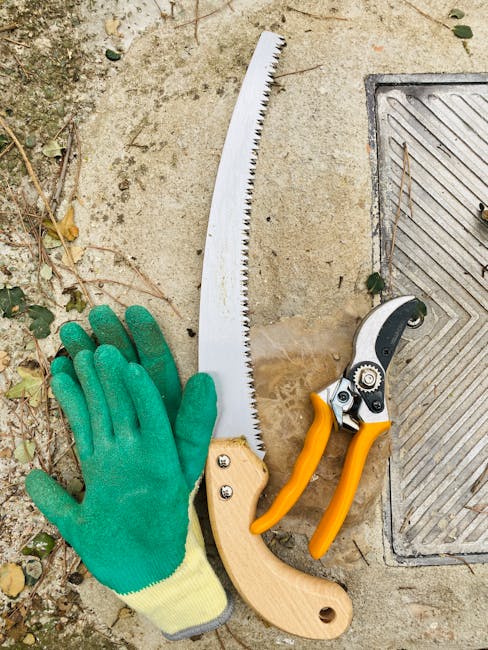
- hand pruners for smaller stems and precise cuts;
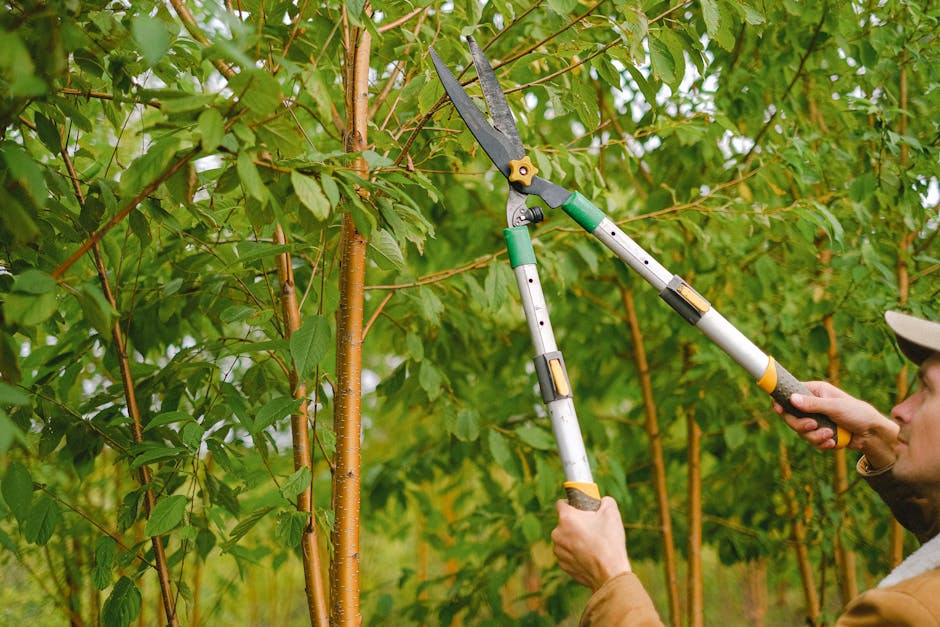
- loppers for thicker branches within safe reach;
- hedge trimmers for shaping dense hedging;
- saws for larger woody stems where appropriate;
- gloves, eye protection, and sturdy footwear;
- tarps or sacks for collecting and moving waste;
- brooms and blowers for the final tidy, depending on the site.
For people who like to keep on top of things between visits, the article on essential gardening tools is a useful reference. If your garden is small or paved, container planting can also make future upkeep more manageable; see container gardening ideas for a practical approach.
A useful recommendation for Whitechapel properties is to think in layers. Keep the immediate hazard under control first, then move to shape, then long-term maintenance. That sequence sounds obvious, but under pressure it is easy to skip straight to the "make it look pretty" bit and miss the safety layer entirely.
Law, Compliance, Standards and Best Practice
Emergency pruning and clearance should always be handled with care and sensible working practices. Without drifting into legalese, there are a few practical standards that matter in day-to-day work.
Safety comes first. Any work near unstable branches, slippery ground, sharp debris, or access routes should be planned to reduce risk. If machinery is used, it should be operated responsibly and only by someone competent to do so.
Waste handling should be clear. Green waste, branches, and soil should be removed or disposed of in line with normal local and environmental expectations. If the job involves larger volumes, ask how the clearance will be managed before work begins.
Property boundaries should be respected. Overhanging growth, neighbour-facing hedges, and shared fences can raise awkward questions. A careful approach helps avoid disputes. If a boundary is involved, written agreement or at least a clear conversation is often wise. Not glamorous, but it saves trouble.
Insurance and safety matter. Reputable providers should be able to explain how they approach risk, tools, access, and public-facing work. If you want to understand the basics before booking, the site's insurance and safety information and health and safety policy are worth reading. For wider trust and service expectations, the pages on terms and conditions and privacy policy help set out how things are handled.
In short, good practice is simple: work safely, communicate clearly, and leave the site tidier than it was found. That is not a fancy standard. It is just the right one.
Options, Methods, or Comparison Table
Not every urgent garden problem needs the same fix. Sometimes the smartest move is a light cut-back; sometimes it is full clearance and removal. The table below shows how the common approaches compare.
| Method | Best for | Speed | Typical outcome | Notes |
|---|---|---|---|---|
| Light pruning | Minor overgrowth, shaping, small access issues | Fast | Cleaner lines, better access | Useful when the plant is healthy and only slightly untidy |
| Selective reduction | Dense hedges, top-heavy shrubs, privacy screening | Moderate | Balanced size and less crowding | Best when you want to keep the plant but reduce bulk |
| Emergency clearance | Storm debris, fallen growth, blocked spaces | Very fast | Safe, usable area with waste removed | Usually focused on access and hazard removal first |
| Heavy cut-back | Severe overgrowth, neglected plots, invasive spread | Variable | Major reset | May need follow-up care afterwards; not ideal for every plant |
| Specialist tree work | Large limbs, instability, structural risk | Depends on complexity | Risk reduced by trained intervention | More appropriate than ordinary pruning when the tree itself is the issue |
If you are unsure which approach fits, that is normal. A quick assessment is often the best answer. The important thing is not to overreach. A tidy hedge and a damaged tree are not the same job, even if they both look green from the pavement.
Case Study or Real-World Example
A typical Whitechapel callout might start with a simple message: a rear garden has become blocked after a windy night, with broken branches scattered across the path and a hedge leaning into a shared route. Nothing dramatic on paper, but enough to make the space awkward and a bit unsafe.
The first stage would be to remove loose debris and make the entry point safe. Then the damaged growth would be pruned back to stable wood, with attention given to any hanging stems. Once the main hazard is gone, the remaining cuttings are collected, the path is swept, and the garden is left in a usable state.
What changes most is not just the look. It is the feeling. The back door opens again without a tangle of branches in the way. Light returns to the area. The resident can get to bins, bike storage, or laundry lines without ducking under growth. Small things, maybe. But small things matter when you live there every day.
In a second variation of the same job, the issue may be an overgrown front hedge blocking a window and pressing into a pavement edge. In that case, the urgent work might be light enough to keep privacy intact while restoring shape and access. The difference between a good result and an awkward one often comes down to judgement, not muscle.
Practical Checklist
Use this quick checklist before booking or during a same-day callout:
- Identify the main issue: pruning, clearance, storm damage, blocked access, or boundary overgrowth.
- Take a couple of photos if you can safely do so.
- Check whether the area includes fragile objects, pets, or children's play equipment.
- Make access points as clear as possible.
- Note any difficult features such as steps, narrow gates, or shared entrances.
- Decide whether you want pruning only or full clearance as well.
- Ask how green waste will be handled.
- Confirm whether the issue might need specialist tree work rather than standard pruning.
- Think about what follow-up maintenance would prevent the same problem returning.
- Keep the final result in mind: safe, tidy, and easy to live with.
Key takeaway: the best emergency garden jobs solve today's mess without creating tomorrow's headache.
Get a free quote today and see how much you can save.
Conclusion
Emergency garden work in Whitechapel is really about restoring control. A same-day pruning and clearance visit can turn an awkward, unsafe, or stressful outdoor area into something calm and usable again. It is not only about appearances, though the before-and-after can be satisfying. It is about getting access back, reducing risk, and stopping a small problem from growing legs.
If you are weighing up whether to act now or wait, the simple test is this: does the problem affect safety, access, or the way you use the space every day? If yes, same-day help is usually worth it. If the issue is more about shaping, planting, or long-term improvement, a follow-on plan can build on the urgent work and make the garden easier to manage next time.
For a broader overview of what can be arranged after the immediate job, browse the about us page and the wider garden maintenance support. And if your urgent job is part of a bigger refresh, the page on landscaping may help you think through the next stage.
Sometimes a garden just needs a bit of help, quickly and properly. Once the clutter lifts, the space can feel lighter almost at once. That's the nice part, really.
Frequently Asked Questions
What does Emergency gardeners Whitechapel same day pruning and clearance E1 usually include?
It usually includes urgent pruning, removal of loose growth, clearing branches or cuttings, and tidying the area so it is safe and usable again. The exact scope depends on the problem and how accessible the garden is.
How fast can same-day garden clearance happen in Whitechapel?
Same-day work depends on availability, travel, access, and the size of the job. Smaller emergency clearances are often quicker to complete than larger overgrown gardens that need more careful cutting and waste removal.
Is emergency pruning the same as hedge trimming?
Not always. Hedge trimming is usually more about shaping and routine upkeep, while emergency pruning is about responding to urgent problems such as storm damage, blocked access, or unsafe overgrowth.
Do I need tree surgery instead of standard pruning?
If the issue involves a large tree, heavy limbs, instability, or anything close to a structural risk, tree surgery may be more appropriate. Standard pruning is better suited to smaller shrubs, hedges, and manageable growth.
Will the team remove the waste as well?
In most emergency clearances, waste removal is part of the job or should be clearly discussed beforehand. It is worth confirming because pruning without clearance is only half a fix, and honestly a bit frustrating.
What should I do before the gardeners arrive?
Clear access, move fragile items, keep pets and children away from the work area, and take photos if useful. If there are hidden hazards such as broken glass or unstable branches, mention them immediately.
Can same-day pruning damage my plants?
It can if the wrong cut is made or if the plant is heavily reduced without care. A sensible provider will balance urgency with plant health and avoid unnecessary damage, especially on established shrubs and hedges.
How do I know if my garden issue is urgent enough for an emergency callout?
If the growth is blocking access, causing a safety risk, damaging property, or likely to get worse quickly, it is probably urgent. If it is mainly cosmetic, it may be better suited to a scheduled maintenance visit.
Are there any rules I should think about with boundary hedges or shared spaces?
Yes, shared boundaries and neighbour-facing hedges should be handled carefully and respectfully. Good practice is to communicate clearly, avoid overcutting, and make sure any work respects the property line and shared access.
What if the garden is badly overgrown, not just a little messy?
Then the job may need a staged approach. Emergency work can restore access and remove hazards first, followed by a more detailed tidy-up later. That tends to give a better result than trying to force everything into one rushed visit.
Can emergency pruning help with privacy as well?
Yes, but it needs a careful hand. A hedge or screen can often be reduced without stripping it back too hard. If privacy is the main goal, a measured cut is better than a drastic one.
How do I book the right service if I am not sure what I need?
Start by describing the symptoms: blocked path, broken branches, overgrowth, or debris. A clear explanation makes it easier to match the right service, whether that is pruning, clearance, hedge trimming, or something more specialist.